Stage time, not screen time
Pop! Booker started because Brutus spent more time scrolling through DMs and emails than talking to bands about playing a monthly showcase at the local dive bar. A good 90% of the work was cross-referencing texts and emails and journal notes and spreadsheets--only 10% was actually talking to bands.
Booking software existed, and organizational tools integrate, but building out a platform took four $7/month subscriptions, plus setup time. That wasn't worth it for as an unpaid booker. Plus, it was still manual entry anyway.
So Brutus and Naidi built Pop! Booker in 2026 for the divebars; with an infrastructure that will scale to the stars.
Pop! Booker organizes communications with schedules across performers, venues, promoters, talent agencies and more. No more scattered emails, dms and show calendars--booking lives in one place so we can spend more time at the stage, on one side or the other.
We're small and focused. We built feedback from our users into our platform on day one.
Fuck, Mary, Kill
Fuck AI
AI-generated sounds are not music and have no place at Pop! Booker.
AI-chatbots are not support and have no place at Pop! Booker.
AI could have been a tool for boiler-plate text, repetitive tasks and solved-problems, but it turned into a usurption of human communication and art. We're not doing that here.
Pop! Booker is a communication platform for humans, run by humans.
We do use some AI tooling in our company work, and we're sure our users will as well. But AI makes no decisions at Pop! Booker, and it will never contact a user.
Marry the Scene
We built Pop! Booker because we love live music.
The lifeblood of music as an art form is your local music scene, it's the audience showing up to the show.
Pop! Booker's goal is to bolster and support that scene, from a 10-person house show to stadiums.
We do this by streamlining and organizing event-centered communication, which frees up time for what matters: building human relationships, discovering talent and putting out the event fires we all know so well.
We're nothing without you, local music scene, and you're everything to us.
Kill the Barriers
Every artist deserves their chance to be heard.
That's why we'll always have a free-tier for your band, your booking company, your venue.
Part of Pop! Booker's design is to help up-and-coming artists know what's important when talking about booking.
The best way to teach someone to play bass, is to place a bass in their hands. We draw from established music industry experts to define our EPK pages so new artists can arrive on the scene with their best foot forward.
Fuck AI
AI-generated sounds are not music and have no place at Pop! Booker.
AI-chatbots are not support and have no place at Pop! Booker.
AI could have been a tool for boiler-plate text, repetitive tasks and solved-problems, but it turned into a usurption of human communication and art. We're not doing that here.
Pop! Booker is a communication platform for humans, run by humans.
We do use some AI tooling in our company work, and we're sure our users will as well. But AI makes no decisions at Pop! Booker, and it will never contact a user.
Marry the Scene
We built Pop! Booker because we love live music.
The lifeblood of music as an art form is your local music scene, it's the audience showing up to the show.
Pop! Booker's goal is to bolster and support that scene, from a 10-person house show to stadiums.
We do this by streamlining and organizing event-centered communication, which frees up time for what matters: building human relationships, discovering talent and putting out the event fires we all know so well.
We're nothing without you, local music scene, and you're everything to us.
Kill the Barriers
Every artist deserves their chance to be heard.
That's why we'll always have a free-tier for your band, your booking company, your venue.
Part of Pop! Booker's design is to help up-and-coming artists know what's important when talking about booking.
The best way to teach someone to play bass, is to place a bass in their hands. We draw from established music industry experts to define our EPK pages so new artists can arrive on the scene with their best foot forward.
The team
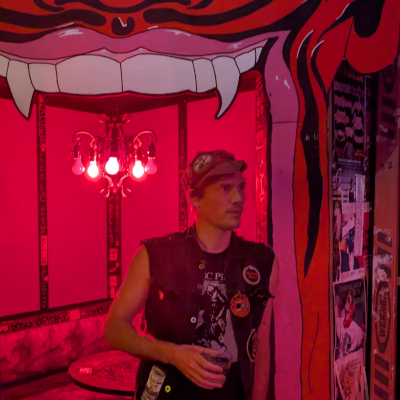
Brutus
Co-founder
From poetry to journalism to physics and finally data engineering instead of academia, Brutus loves live music above most things. Paychecks aside, when Brutus looks at tech he hears am off-handed comment from his father back when they still had an outhouse: "Maybe we should have asked if we Should, more than if we Could."
LinkedIn
Naidi Shuli
Co-founder
From code to product ideas, he somehow ended up somewhere between architecture, business decisions, and probably three side projects at once. With a deep love for physics and complicated problems, he likes building useful things and asking "what if we make it better?" more often than he should. Outside work, he's either traveling, talking about cars, exploring music, or convincing himself that one more idea is definitely not too much.
LinkedIn